
jamiatmaharashtra (2)
jamiatmaharashtra (7) 1
Always Support Us!
about-1-shape-5
about-1-shape-3
Key Services

Jamiat Ulama Maharashtra

Jamiat Ulama-i-Hind is one of the oldest and most distinguished organizations established by eminent Islamic scholars. It was formally constituted as a constitutional organization in November 1919 by a group of revolutionary Ulama under the name *Jamiat Ulama-i-Hind*. Its first President was the Grand Mufti, Mufti Kifayatullah Sahib (RA). The establishment of Jamiat Ulama-i-Hind marked a significant turning point in the struggle led by the Ulama for India’s freedom. The movement adopted the path of non-violence and peaceful resistance, which played an important role in the country’s eventual independence from British rule. Jamiat Ulama-i-Hind strongly opposed the partition of India and encouraged Muslims to remain in their homeland, urging them to live with determination, patience, and steadfastness. When Shaykh al-Hind, Hazrat Maulana Mahmood Hasan Deobandi (RA), and his companions were released from imprisonment in Malta on 8 June 1920 after three years and seven months of confinement, they were welcomed at the Mumbai port by thousands of admirers. Among those present to receive them were Maulana Abdul Bari Firangi Mahali and Mahatma Gandhi. Jamiat Ulama-i-Hind played a leading role in the struggle against British colonial rule and continued to advocate unity and national harmony. Following India’s independence, the organization worked to instill confidence, courage, and a sense of belonging among Indian Muslims, emphasizing that India was their homeland and that they were equal citizens of the country. During this period, communal disturbances posed significant challenges. The leaders of Jamiat Ulama-i-Hind actively worked for the welfare and reconstruction of affected communities, assisted victims of communal violence, and continued their efforts for the protection of madrasas, mosques, graveyards, and other religious institutions. Through its social, educational, and community-oriented initiatives, the organization has continued to serve the nation and the Muslim community with dedication and commitment.

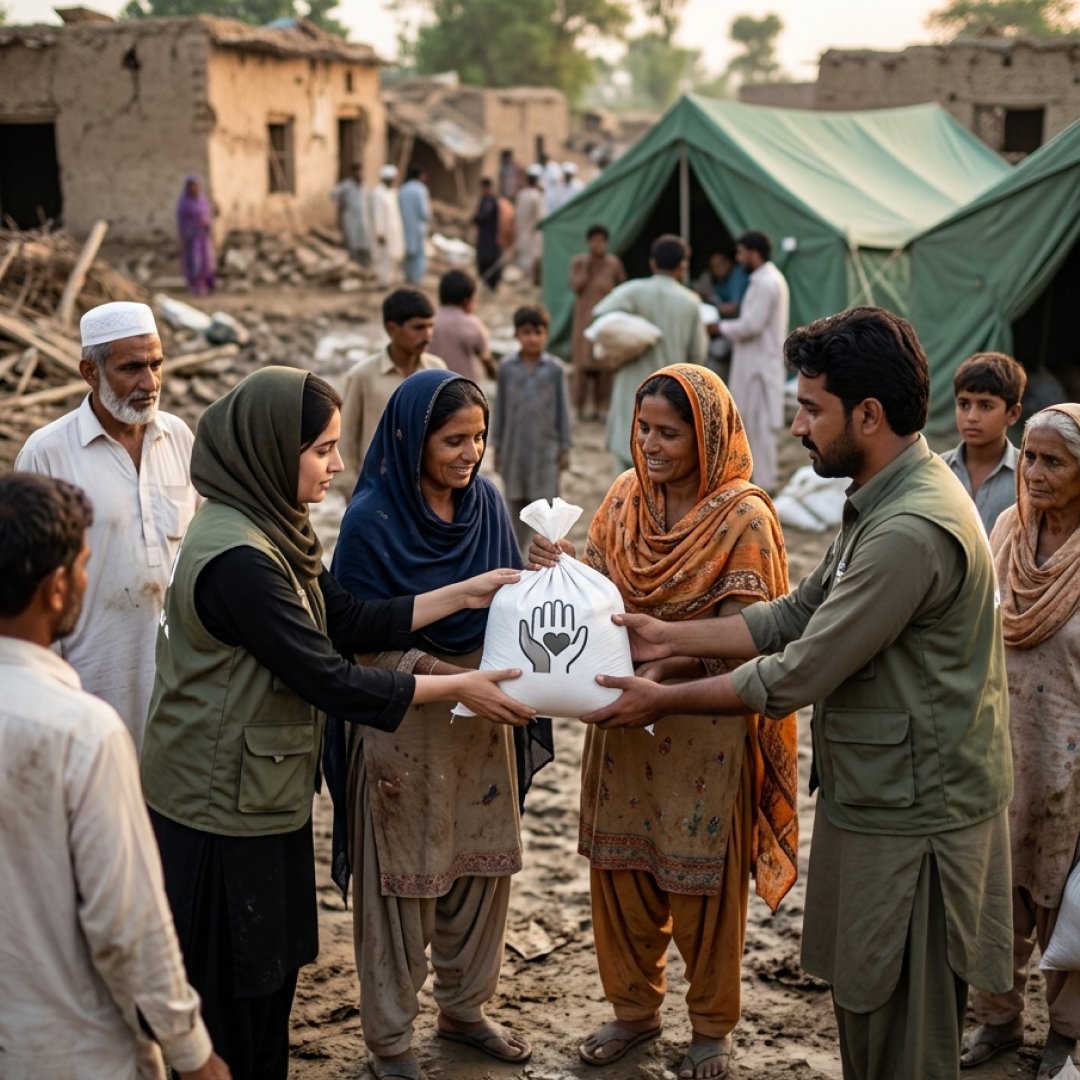
The services rendered by Jamiat Ulama-i-Hind during natural disasters, floods, and earthquakes are remarkable. Whenever such calamities occur, the organization extends relief and assistance to all affected people without any distinction of religion, caste, or community. Over the years, Jamiat Ulama-i-Hind has carried out extensive relief work for flood victims in Assam, Bihar, Kashmir, Chennai, Kerala, Nepal, and other regions.

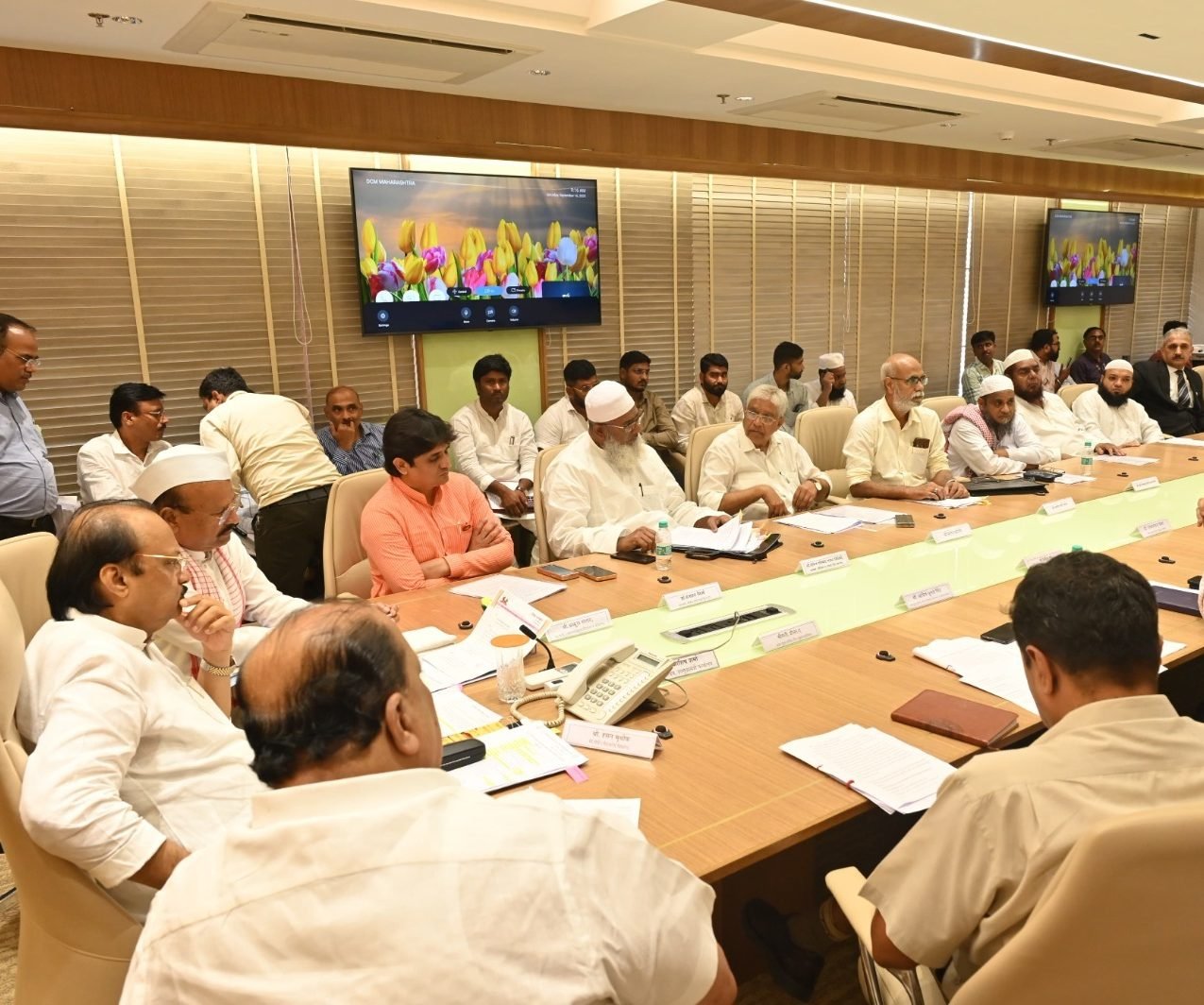
After the partition of India, attempts were made in Assam to label many Muslims as foreigners from Bangladesh, deprive them of their citizenship rights, and dispossess them of their properties. Jamiat Ulama-i-Hind actively supported lakhs of Assamese Muslims by providing legal assistance in matters related to the NRC, from lower courts up to the Supreme Court of India. The organization continues to pursue these cases and provide legal support.

Soon after India’s independence, Jamiat Ulama-i-Hind began advocating reservation for socially and educationally backward sections of the Muslim minority community. This movement was formally initiated in 1997 under the leadership of Hazrat Maulana Syed Asad Madani (RA), former President of Jamiat Ulama-i-Hind. A nationwide signature campaign was conducted, and a memorandum was submitted to the President of India. By the grace of Allah, reservations have since been implemented in several states, and efforts continue in other states for the welfare of backward Muslim communities.

In short, the very name of Jamiat Ulama-i-Hind reflects a glorious past, a vibrant present, and a promising future. For decades, the organization has worked tirelessly to address the challenges faced by Indian Muslims and to improve their educational, economic, social, and moral conditions in accordance with Islamic teachings. It has consistently strived for the protection, welfare, and dignity of the Muslim community, particularly through services for the poor, orphans, widows, innocent prisoners, victims of communal violence, and students pursuing higher education through scholarship programs and various religious and community welfare initiatives. These efforts continue under the leadership of Hazrat Maulana Syed Mahmood Asad Madani (President, Jamiat Ulama-i-Hind).

Since its establishment, Jamiat Ulama Maharashtra has been actively engaged in the welfare and upliftment of the community, rehabilitation efforts, relief work, social reform, and the promotion of self-confidence among Muslims. Under the leadership of Hazrat Maulana Hafiz Mohammad Nadeem Siddiqui (President, Jamiat Ulama Maharashtra), the organization has rendered notable services across the state. Whenever devastating earthquakes, communal disturbances, floods, or fire incidents occur anywhere in the country or the state, Jamiat Ulama Maharashtra remains at the forefront of relief and rehabilitation efforts.

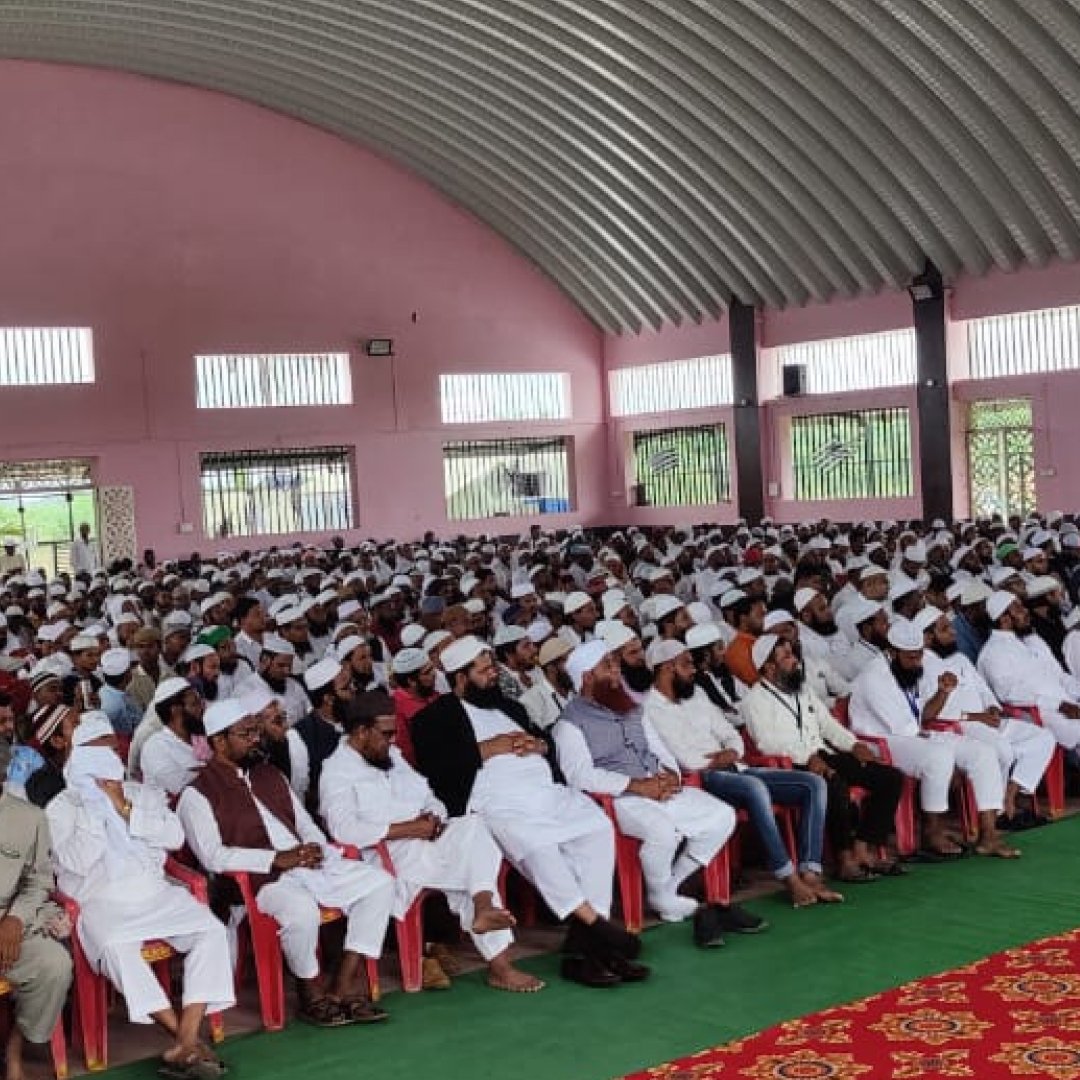
The organization regularly conducts gatherings on Seerat-un-Nabi ﷺ and social reform, organizes conferences for the protection of Muslim rights and access to justice, promotes communal harmony between Muslims and fellow citizens, provides legal assistance for the release of innocent Muslim youth imprisoned for years, and continues to offer legal support and advocacy wherever required.

  • +

    طلباء کو اسکالرشپ

  • +

    امداد و ریلیف

  • K

    بے قصور قیدیوں کی رہائی

  • K+

    جمعیتی احباب و اراکین

Current Activities of Jamiat Ulama

donation

Relief and Humanitarian Assistance (Without Discrimination)

Providing immediate relief, rehabilitation support, and financial assistance to all victims affected by natural disasters and emergencies such as floods, earthquakes, and fire incidents, without any distinction of religion, caste, or community.


scholarship (1)

Educational Scholarships

Providing educational scholarships to poor, deserving, and orphan students pursuing studies in colleges and universities, enabling them to continue and complete their higher education.

masjid (1)

Protection of Mosques and Madrasas

Working through legal, social, and community initiatives to safeguard Islamic educational institutions, mosques, and waqf properties, while protecting the religious and community interests of the Muslim community.

seerat

Social Reform and Community Harmony

Promoting moral and social reform within the Muslim community through gatherings on the Seerah of Prophet Muhammad ﷺ, while fostering communal harmony, peace, mutual respect, and brotherhood among all sections of society.